
Have Any Questions?
+90 312 514 1661
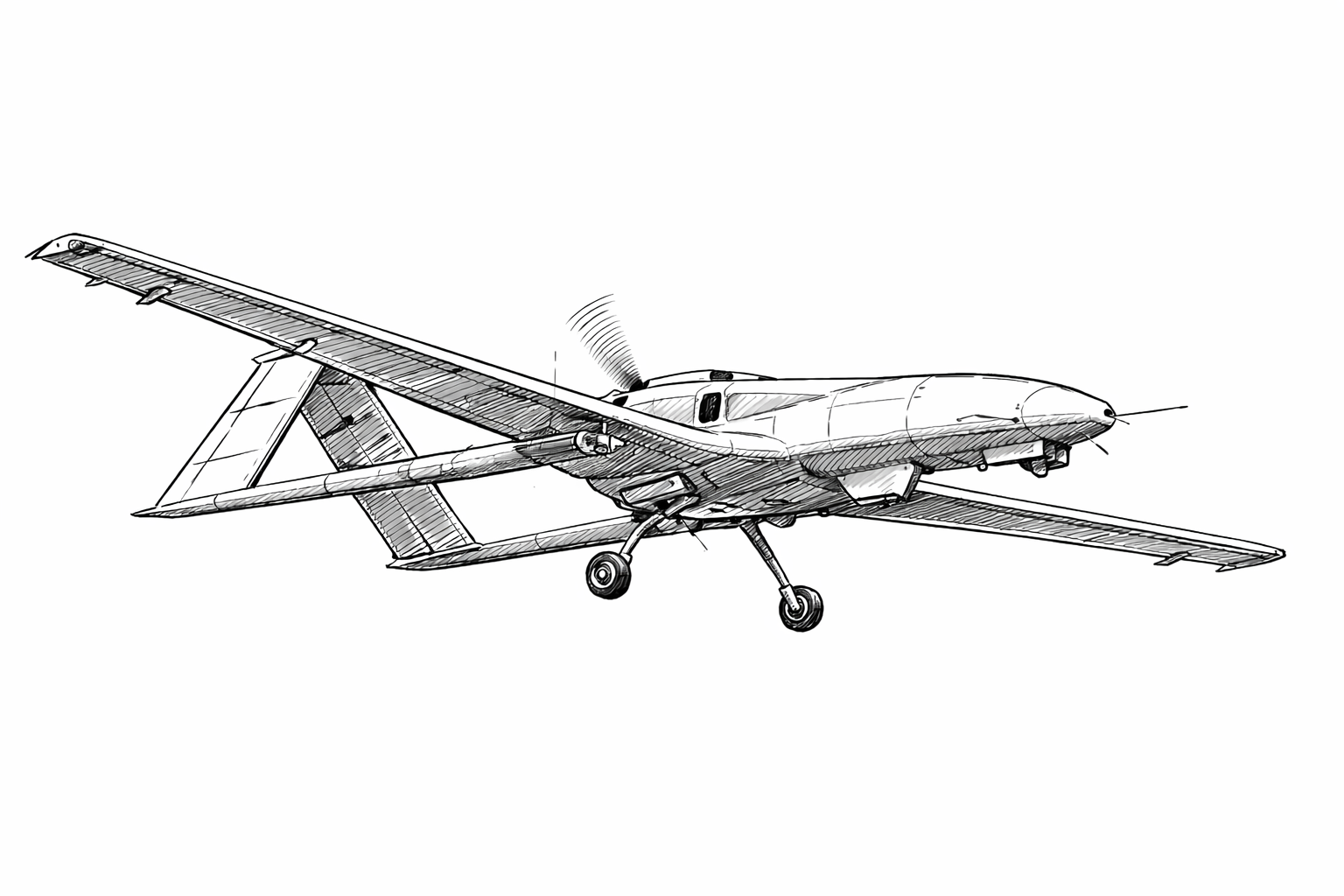
Unmanned Systems
Our software infrastructures for unmanned operations sit directly between the physical vehicle and the human operator. Our solutions cover the entire mission lifecycle, ranging from Ground Control Stations (GCS) and mission planning tools to comprehensive fleet integration for air, land, and sea platforms.
We build systems designed for flexibility and real-world application. By rejecting rigid, single-vendor dependencies, we engineer modular control environments that allow different hardware to work together seamlessly. This approach guarantees that your command capabilities remain stable, effective, and adaptable, even as your fleet and technology evolve.
| Operational Reality | What Commonly Breaks in Practice | Design Stance in These Environments |
|---|---|---|
| Unmanned operations get complex faster than operators can handle. | Unmanned complexity often outpaces operator capacity. | Mission-focused and easy-to-use interfaces keep the operations manageable. |
| Control infrastructure is tied to fixed locations and hardware. | Operations are restricted to static rooms or bulky equipment. | Control and management are designed to be portable and adaptable. |
| Operational needs change faster than systems can be reconfigured. | Workflow changes require engineering intervention or downtime. | Workflows are easily reconfigurable without code changes. |
| Operators must manage multiple systems under time pressure. | Interfaces overwhelm users with data or hide critical states. | Design focuses on mission execution and preserves operator authority. |
| Operations span multiple platforms and vendors. | Systems lock to specific hardware, resisting adaptation. | Architecture absorbs hardware variation without rewriting core logic. |